
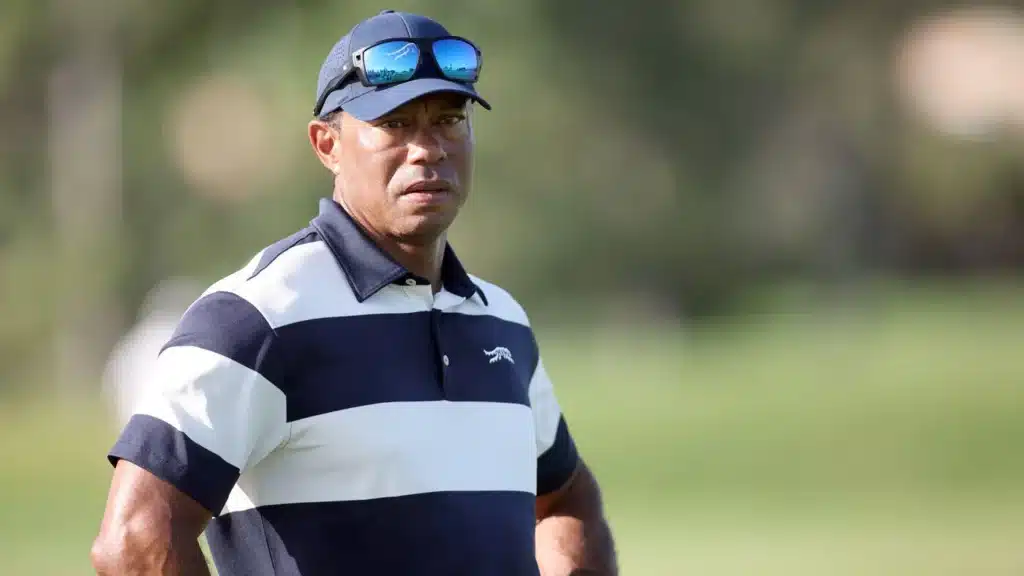
Golf’s next chapter won’t be drafted in corporate grey—it’ll be sketched by Tiger Woods. As chair of the PGA Tour’s new Future Competition Committee, he’s been handed a blank canvas and a clear brief: engineer significant change. Here’s what that actually means for schedules, fields, and the way Sundays feel.
What happened
The PGA Tour created a nine-member Future Competition Committee and named Tiger Woods as chair. The brief is explicit: deliver “significant change” to how the Tour competes and presents its season. The group was set up by new PGA Tour CEO Brian Rolapp, who framed the work as a “clean-sheet” rethink rather than incremental tweaks.
Who’s in the room
Alongside Woods are players Patrick Cantlay, Adam Scott, Camilo Villegas, Maverick McNealy, and Keith Mitchell, plus three business advisors: Joe Gorder (Valero), John Henry (Fenway Sports Group), and Theo Epstein (FSG/MLB architect). The mix blends locker-room leverage with operators who’ve built winning sports products.
The mandate (and the levers)
Rolapp outlined three principles driving the review: parity (a merit-based structure that rewards form), scarcity (more frequent top-player matchups), and simplicity (a clearer link between regular season and postseason). Translation: scrutinise the schedule, field creation, event tiers, and FedExCup narrative so fans can follow—and care—without a calculator.
Why Tiger matters here
Woods is the Tour’s ultimate trust bridge. Players listen, sponsors show up, and casual fans pay attention. As a sitting player, director and the sport’s bellwether, his chairmanship gives the project both political cover and commercial gravity, improving the odds that bold ideas survive committee friction.
What could realistically change
Early reporting points to a wide canvas: tightening the season arc, boosting marquee-vs-marquee windows, refining Signature Events for competitiveness, and improving the broadcast experience (pace, access, fewer dead spots). None are pre-decided; all are squarely on the table per the Tour’s “nothing sacred but the fan” tone.
Unification with LIV Golf isn’t part of this brief. Coverage around the announcement notes no active talks with PIF and a focus on strengthening the Tour’s own product first. Any détente, if it comes, will trail—not lead—this competition review.
What to watch next
- Timeline: Committee formed Aug 20, 2025; expect recommendations to surface around the Tour Championship/off-season window, when scheduling moves are feasible.
- Signals: Look for pilots—altered event formats, revised qualification criteria, or a clearer regular-to-postseason link—before full adoption.
The Tour has handed Tiger a blank canvas and real authority. If the committee hits its marks—simpler story, better matchups, tighter season—fans should feel the change on Thursday tee times and Sunday leaderboards, not just in press releases.
